
Search our dictionary of 3,300 botanical and plant-related terms – the largest online.
Or browse the descriptions and definitions using the A-Z.
Affects walnut trees where leaves are damaged and sometimes also green fruits by sap-sucking insect pest; the leaves drop, fruit quality worsens.
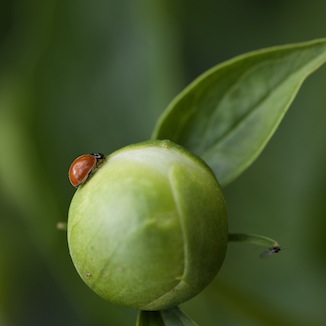
These are plant sap-sucking insects which are generally regarded a pest. They may have the common name of greenfly or blackfly and may mass on succulent leaves and apical buds on plants such as roses and honeysuckle. They feed using a stylet which is inserted into the plant tissue, and can exude sticky honeydew (which may be fed on by insects such as ants). They may transfer diseases from plant to plant as they feed. They do have natural predators such as ladybirds.
Damage to young growth on apple trees by sap-sucking insects.
Aphids form dense colonies on shoot tips and underside of leaves.
Insects mass on shoot tips and undersides of leaves.
Pest attacking Brassicas where leaves are deformed by sucking aphid, and spreading of viruses.
Pest of carrots where damage caused by larvae, heart leaves are curled and the plants stunted.
Foliage become coated with a black sooty mould excreted by aphids. Foliage becomes brown and drops off.
Colonies of insects develop on shoots, branches sometimes trunks. Leaves becomes sticky then a black sooty mould grows. The foliage becomes discoloured or mottled and may drop in severe case; this can happen very rapidly in hot weather. Damage is most apparent on base of tree.
Pest affecting red and white currants where upper leaves become twisted, blistered and often tinged red.
Sooty moulds develop on foliage and stems produced following sap feeding aphid during summer.
A pest that in spring damages leaves and shoots by sucking sap; the leaves turn yellow and are shed and the pest spreads virus diseases.
The foliage develops a white-yellow mottling, turns brown and drops off during late winter.
Aphids form colonies on shoot tips and buds which can result in buds aborting and shoot tips drying up.
Leaves and stems become coated with black, sooty moulds. Heavy attacks cause yellowing and die-back in mid-late summer.
Plants tend to wilt and make slow growth. When dug up, white, powdery wax can be seen on the roots and soil particles.
Aphids live on undersides of leaves and flower spikes which become sticky honeydew excreted by pests. Plants may die.
Damage occurs from early to late summer. Yellow patches appear on foliage between mid-spring and autumn, waxy grey insects feed on undersides of the leaves and growing tips. Affected leaves become distorted, paled and mottled. Dense colonies can build up rapidly, especially in hot years and go unnoticed on undersides of leaves. Young plants are very vulnerable.
Shoot tips and fruit are invaded by powdery white aphids, these aphids hatch in early spring and colonies build up to damaging level by early summer. They produce large amounts of sticky honeydew, and this encourages a black sooty mould to grow.
Aphids flock on foliage and flowers, sooty moulds then develop. Early death of blooms can occur.
Aphids infest pea plants during early summer.
Foliage becomes crinkled and curled with a yellow-green colour during late spring to early summer.
Leaves at shoot tips become yellow-green and curled during the late spring. Sooty moulds grow on foliage.
Foliage become tightly curled in the spring.
Pest of a small range of plants including lettuces and auriculas which cause the plants to wilt and looks stunted; aphids found among roots.
An aphid that specifically attacks roses, sucking the sap of young shoots and buds, and distorting leaves and flowers. Control may be via an insecticide.
Aphids suck sap from rose roots and lay eggs that cluster on stems.
Pink-grey insects cluster on young foliage in spring. The leaves become curled and yellow.
Green-brown insects gather on lily leaves and flowers. Heavy attacks cause poor growths.
Aphids colonise bark, trunks and branches in late summer. Honeydew is excreted which makes stems sticky, and sooty moulds then can develop.
A name for a species of aphid that has with a protective wool-like covering. It commonly infests apple tree bark where it swells and creates cracks that can lead to canker. Tar oil winter wash is a preventative control, and insecticide sprays may be applied onto the bark.